
Is Your Local SEO Audit Missing the Problems That Cost You Customers?

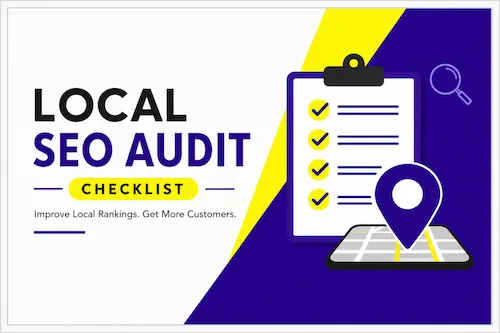
Many business owners believe their website is doing fine because it appears on Google. Then they notice something strange. Competitors receive more calls, more reviews, and more walk-in customers. The difference is often hidden inside a Local SEO Audit.
A website can look great and still lose local traffic. Small issues add up over time. An outdated business address, missing reviews, slow pages, or incorrect business categories can quietly reduce visibility. A proper Local SEO Audit helps you spot those problems before they affect your business.
Why should every local business perform a Local SEO Audit?
Think of your website like a physical shop. Even if your products are excellent, customers may walk away if the entrance is difficult to find. Search engines work in a similar way. They need clear signals before recommending your business. A Local SEO Audit checks whether those signals are accurate and consistent. I have seen businesses spend thousands on advertisements while ignoring simple SEO fixes. One local clinic had different phone numbers on its website and business profile. After correcting that single issue, enquiries increased within a few weeks because customers finally trusted the listing.
This is why a Local SEO Audit should become part of every digital Marketing strategy instead of being treated as a one-time task.
What should you check during a Local SEO Audit?
A good Local SEO Audit follows a logical process rather than random testing. Think of it as a practical SEO Checklist that covers the areas search engines use to understand your business.
Check the following:
• Google Business Profile accuracy, business categories, reviews, photos, and operating hours.
• NAP consistency (Name, Address, Phone Number) across directories.
• Website titles, meta descriptions, headings, and local keywords.
• Mobile usability and page loading speed.
• Local landing pages and location-specific content.
• Internal links and structured data.
• Local backlinks and online citations.
• Indexing status in Google Search Console.
Many businesses complete only half of this SEO Checklist and assume everything is working. Missing just one important section can affect local rankings more than expected.
A proper Local SEO Audit looks at the complete picture instead of chasing a single ranking factor.
How do you perform a Local SEO Audit step by step?
The easiest approach is to follow a simple step-by-step SEO guide instead of trying to fix everything at once.
Start by searching your business name on Google. Check whether your Google Business Profile displays the correct information. Then compare your contact details across your website, Facebook page, and business directories.
Next, review your website. Make sure every important page has a unique title and description. Local keywords should appear naturally without stuffing them into every sentence.
After that, test your website on a mobile phone. Many local visitors search while travelling. If pages load slowly or buttons are difficult to tap, people leave before contacting you.
Continue your Local SEO Audit by checking Google Search Console. Look for indexing errors, broken pages, and pages with low impressions. These reports often reveal problems that business owners never notice.
Finally, review customer feedback. Positive reviews improve trust, but replying to reviews also matters. It shows both customers and Google that the business is active.
This step-by-step SEO guide makes a Local SEO Audit easier to manage because every improvement builds on the previous one.
Which mistakes reduce the value of a Local SEO Audit?
The biggest mistake is performing a Local SEO Audit only after rankings drop. Prevention is always easier than recovery.
Another common mistake is focusing only on keywords. Rankings depend on many signals working together.
Some businesses also copy location pages by changing only the city name. Google recognises thin content quickly. Each location page should include useful local information instead of repeated text.
Ignoring customer reviews is another missed opportunity. Businesses often collect reviews but never respond. That sends the wrong message to potential customers.
Many websites also forget technical basics such as broken links, missing schema, duplicate titles, or slow images. Individually they seem small. Together they weaken the overall Local SEO Audit.
One restaurant owner asked why competitors ranked higher despite having fewer reviews. During the Local SEO Audit, we found that the restaurant’s opening hours were outdated across several directories. Correcting those listings improved visibility without changing any website content.
How often should you complete a Local SEO Audit?
A Local SEO Audit is not something you finish once and forget.
Businesses change. Products change. Business hours change. Google also updates its algorithms regularly.
For most small businesses, reviewing the Local SEO Audit every three to six months is a sensible habit. If you move locations, redesign your website, or launch new services, perform another audit immediately.
If you work with a digital marketing freelancer, ask for regular reporting instead of ranking promises. Good SEO focuses on finding problems, measuring improvements, and making steady progress over time.
An experienced digital marketing freelancer usually looks beyond keyword positions. They study user behaviour, search visibility, local competition, and customer experience before suggesting improvements.
The best Local SEO Audit is one that leads to practical action. Fix one issue at a time, measure the results, and continue improving. Local SEO rarely changes overnight, but consistent improvements often produce lasting results. Businesses that review their Local SEO Audit regularly usually discover opportunities long before their competitors do, and that steady attention often becomes the reason they continue attracting local customers month after month.






Pingback: Why Are Your Cakes Not Getting Enough Orders? A Look at the Best Digital Marketing Services for Cake Shops
Pingback: Common Reasons Builders Miss Customers: Is Your Marketing Losing Good Leads?
Pingback: Common Reasons Builders Miss Customers: Is Your Marketing Losing Good Leads?